
Muslims Spearhead Ontario’s Premier Women’s Organization.
What sets CMW apart is its commitment to a philosophy of "calling in"—actively inviting dialogue across diverse sectors and backgrounds to foster mutual understanding and break down xenophobic and racial barriers.
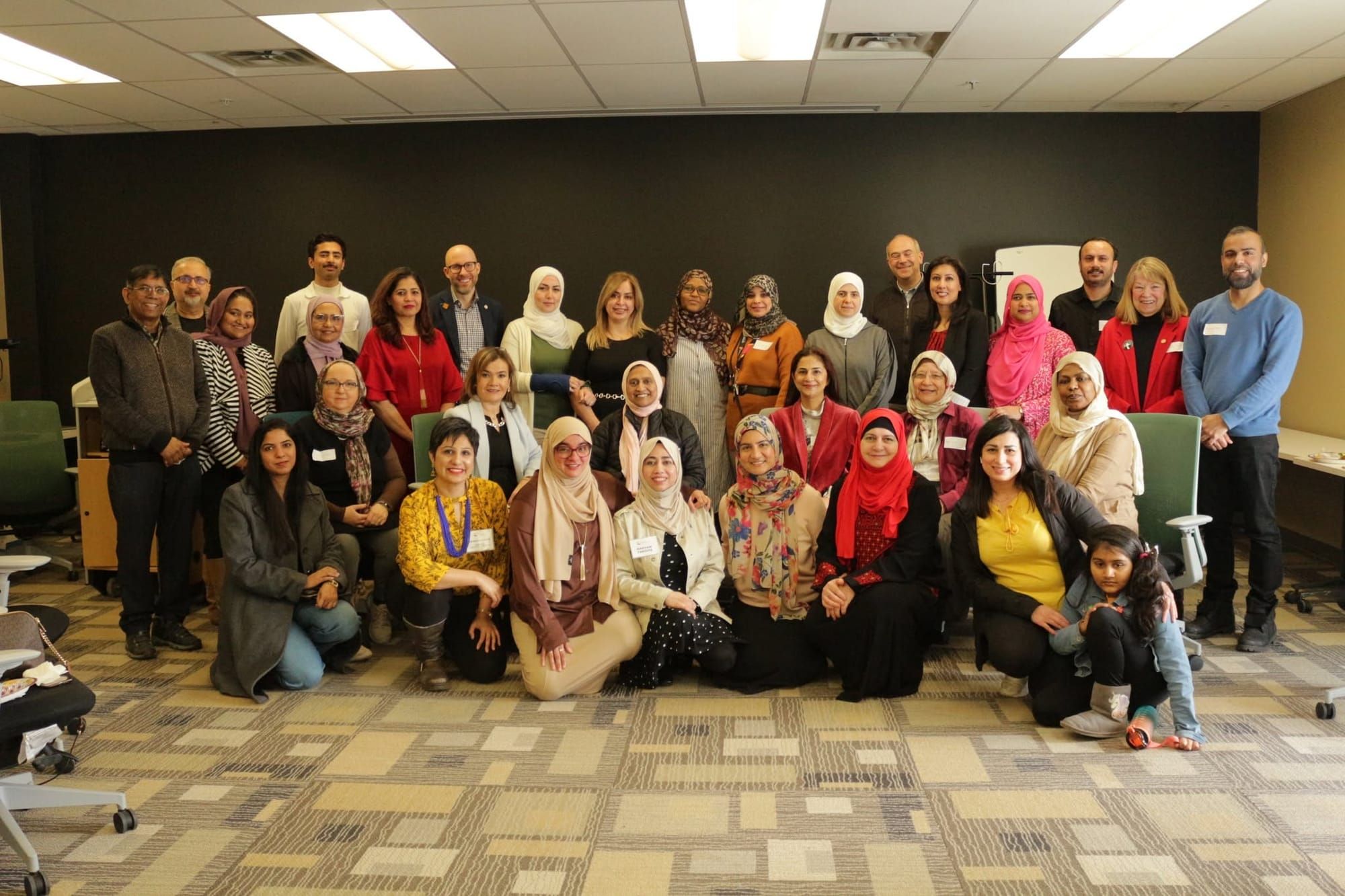
In a social landscape navigating deep divisions, true community building requires an intentional shift away from polarization toward radical engagement.
Standing at the forefront of this movement is the Kitchener-Waterloo’s Centre for Mutual Wellbeing (CMW), which has solidified its reputation as one of Ontario’s premier women’s organizations.
What sets CMW apart is its commitment to a philosophy of "calling in"—actively inviting dialogue across diverse sectors and backgrounds to foster mutual understanding and break down xenophobic and racial barriers.
The Centre creates spaces where communities can confront uncomfortable realities together, transforming friction into collaborative action.
For sixteen years, this approach has anchored social equity work in Ontario’s Waterloo Region.
Founded in 2010 as the Coalition of Muslim Women of Kitchener-Waterloo, the organization’s trajectory reflects a profound story of growth.
What began as a grassroots movement led by Muslim women determined to combat Islamophobia, discrimination, and gender-based violence has matured into a multi-service powerhouse.
Recently rebranded to reflect its expanding scope, the Centre for Mutual Wellbeing now deploys its institutional expertise to serve diverse racialized communities, creating a regional model for civic inclusion and upstream advocacy.
A Leadership Grounded in Shared Dignity
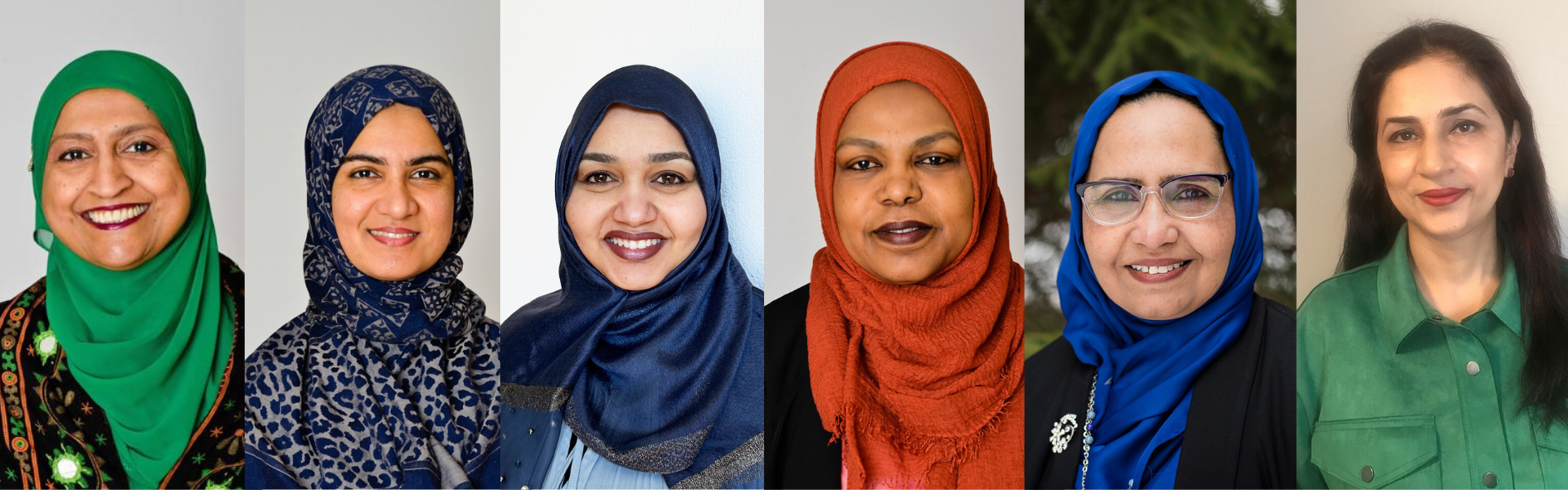
From its inception, the Centre’s mandate has been firmly rooted in the leadership and empowerment of racialized women, girls, and youth.
The organization recognizes that those who stand at the intersection of multiple systemic barriers are uniquely positioned to act as community changemakers.
By choosing to "call in" partners from local government, school boards, and corporate spaces, CMW turns lived experiences into powerful civic strength, ensuring that solutions to systemic racism are built through relationship-building rather than isolation.
This approach is both highly personal and preventative.
For newcomers navigating an unfamiliar culture or grappling with the isolating effects of language barriers, the Centre serves as a critical lifeline.
Programs are intentionally engineered to enhance social connectedness, build emotional resilience, and cultivate leadership skills.
Meeting Critical Needs: From Anti-Hate to Housing Equity
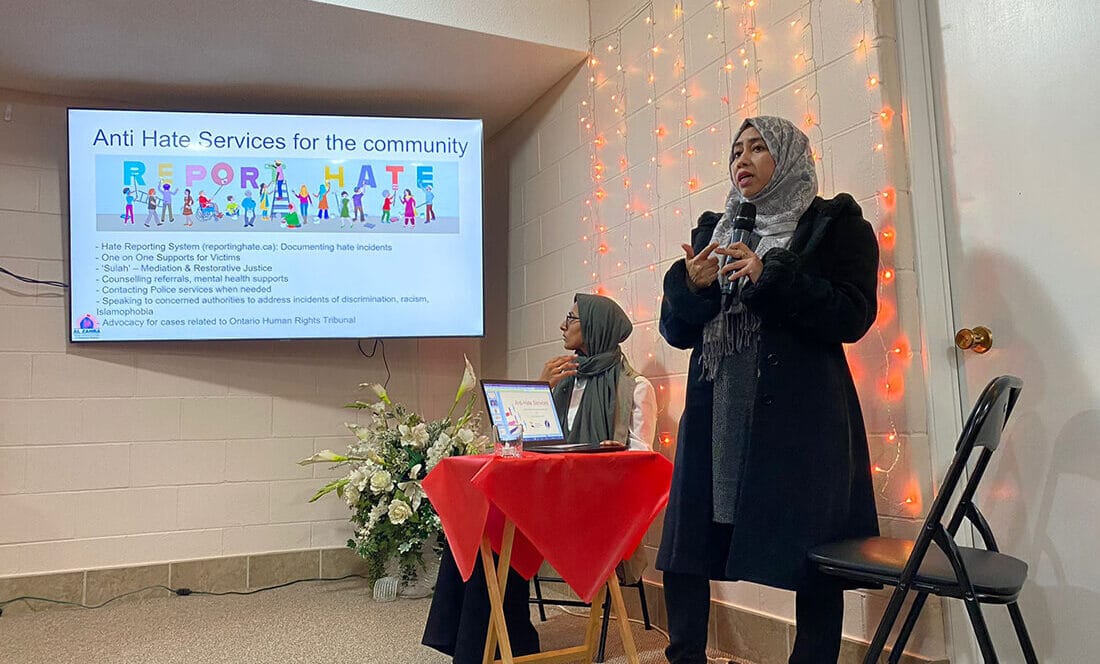
As the Centre's reach has expanded, its operational framework has evolved into three distinct, specialized pillars of care and intervention:
- Anti-Hate Services and Public Advocacy: Maintaining its founding commitment to human rights, CMW provides robust anti-hate services. By documenting local incidents, supporting victims, and delivering widespread public education, the Centre actively counters racism, xenophobia, and religious discrimination across the region.
- Gender-Based Violence (GBV) Survivor Support: The Centre provides culturally responsive, trauma-informed wrap-around supports for survivors of gender-based violence. Recognizing that mainstream services often fail to account for the specific cultural and spiritual nuances of racialized families, CMW bridges the gap, ensuring survivors find safety without sacrificing their identity.
- Innovative Housing Solutions: In recent years, housing insecurity has emerged as a primary crisis for vulnerable populations. The Centre has stepped into this gap with transitional housing initiatives. Dar-al-Aman is CMW’s operating transitional housing program funded by the Region of Waterloo which offers 28 units for racialized women - both with and without children – who are experiencing homelessness or are at imminent risk of homelessness. Currently Darl-al-Aman is at full capacity, with 17 women and 12 children being housed. The program provides short-term housing and wraparound supports for racialized, immigrant, refugee, and newcomer women navigating housing instability. Additionally, CMW is working with CMHC on a specialized “Solutions Lab” under the name Darul Aman to explore long-term, equitable housing strategies for racialized and marginalized groups to access housing.
Cultivating an Equitable Future
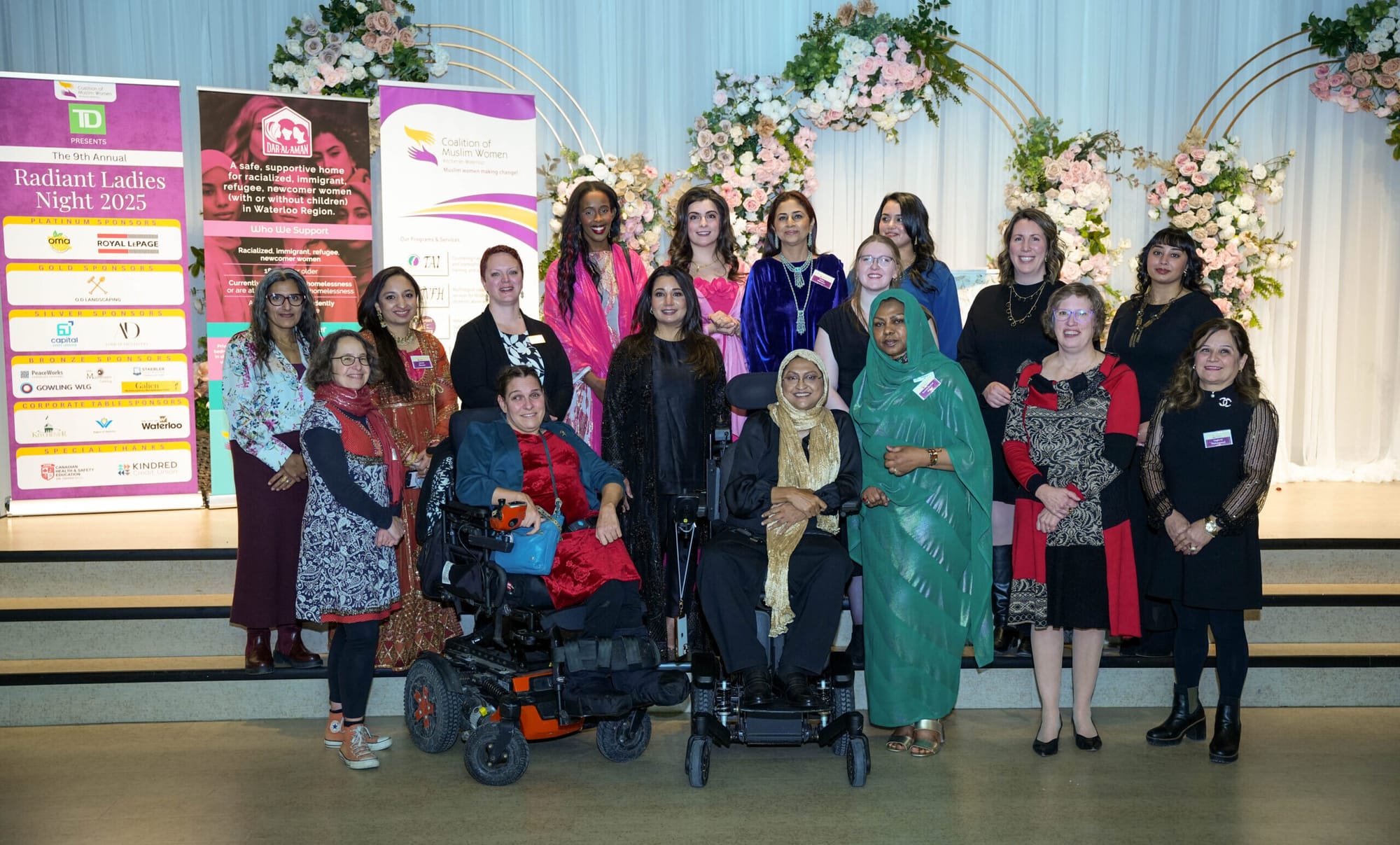
The strength of the Centre for Mutual Wellbeing lies in its refusal to merely manage the symptoms of social fragmentation. Its strategic focus remains firmly fixed on "upstream work"—dismantling systemic barriers before they manifest as crises.
Through deep cross-sector collaborations, the Centre ensures that the voices of racialized communities remain central to regional policymaking.
Ultimately, the Centre’s journey from a localized coalition to a premier provincial leader demonstrates the transformative power of community-led stewardship.
By prioritizing psychological and physical safety while fearlessly building bridges across differences, the Centre for Mutual Wellbeing is successfully modeling what a just, harmonious, and equitable society looks like from the ground up.