
The True Measure of Our City: World Cup Glitz vs. Toronto’s Housing Crisis
For communities of faith, housing is fundamentally a matter of human dignity and sacred right. When we see our fellow human beings denied shelter while resources flow into corporate entertainment, it demands a collective voice of conscience.
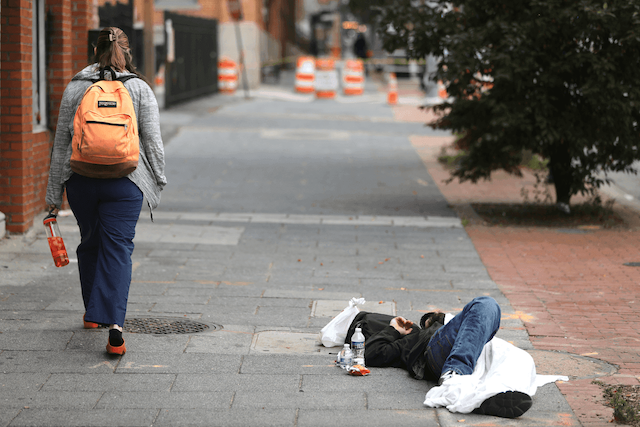
As Toronto takes center stage as a host city for the FIFA World Cup, our downtown streets have been transformed.
Shimmering global branding, vibrant tourist hubs, and a palpable sense of celebration fill the air.
Yet, just beneath this polished veneer lies a stark, troubling reality.
While hundreds of millions of dollars pour into hosting a world-class sporting event, Toronto’s most vulnerable residents are quietly being displaced from public view.
It is a moral contradiction that our faith and civic communities cannot ignore.
On June 24, a powerful coalition of faith leaders, outreach workers, students, and local residents will gather at 10:30 a.m. in Nathan Phillips Square for the Interfaith Walk and Rally for Housing Justice.
Organized by the grassroots coalition Crisis in Our City in partnership with the Mary Ward Centre, the marchers will carry a simple, non-negotiable demand to City Hall: no person in Toronto should be forced to sleep outside.
The timing of this rally is critical.
Organizers and frontline workers have noted a deeply concerning trend synchronized with the start of the tournament.
The streets of the downtown core—particularly high-visibility areas like Union Station—are being systematically "cleared" of the unhoused to present a sanitized version of Toronto to the world.
"There is a big contrast between our city spending so much money on this event and trying to get the city clean for tourists, and the reality of our unhoused people," noted Eugenia Lapania, an advocacy and outreach worker with Crisis in Our City, in a recent report by The Catholic Register. "I’m not sure if people have noticed, but since [the tournament] started, there are fewer unhoused people on the street—but where are those people actually going?"
The reality is that they have fewer places to go than ever.
The city recently oversaw the early closure of the Better Living Centre shelter near Exhibition Place, which suddenly displaced roughly 300 people.
With night after night of the city’s emergency shelter system operating at maximum capacity, those turned away face the trauma of outdoor displacement or criminalization for merely existing in public spaces.
This is not a matter of a lack of physical space; it is a lack of political will.
The interfaith coalition is urging Mayor Olivia Chow and City Council to immediately repurpose underutilized municipal property.
Advocacy groups have identified viable locations, such as the third level of the City Hall parking garage and the Moss Park Armoury at Jarvis and Queen—which has historically accommodated up to 400 emergency beds—as temporary safe havens.
The petition being delivered to City Council demands a comprehensive strategy: the immediate creation of safe, low-barrier indoor spaces, real-time public tracking of shelter availability, and a long-term plan that permanently ends forced outdoor homelessness.
For communities of faith, housing is fundamentally a matter of human dignity and sacred right.
When we see our fellow human beings denied shelter while resources flow into corporate entertainment, it demands a collective voice of conscience.
This sentiment bridges all faith traditions.
Reflecting on the spiritual mandate of the rally, Father Prakash Lohale, social justice animator for the Mary Ward Centre, recalled the profound words of the late Pope Francis at the 2015 World Meeting of Popular Movements: "Land, lodging, and labour—these are sacred rights. It is important, it is well worth fighting for them."
As a city, we must ask ourselves what kind of legacy we want to leave behind when the World Cup matches end and the tourists return home.
A city's greatness cannot be measured by the height of its skyline, the glossiness of its promotional campaigns, or its ability to host mega-events.
True civic success is measured by how we treat those who have the least.
We must look past the flags and festival decorations at Nathan Phillips Square and see the human beings who rely on our collective compassion.
It is time for Toronto's leadership to match its enthusiasm for global entertainment with an equal, urgent commitment to housing justice.
Source: This article draws upon reporting and interviews originally published by Luke Mandato in The Catholic Register ("Interfaith rally seeks Toronto housing justice," June 17, 2026).
**Sign the petition “Urgent call to create safe places to sleep for individuals without shelter”: https://c.org/bTfxjtqfyK