How Hossam Khedr is Rewriting the Playbook for Social Inclusion
In a world that often measures success by what we accumulate, Hossam Khedr reminds us that the greatest legacy is what we enable others to achieve. He has taken an exceptional corporate resume and turned it into a toolkit for social change.
In the high-octane world of professional sports, the narrative is almost always about the win. We celebrate the goals, the trophies, and the statistics.
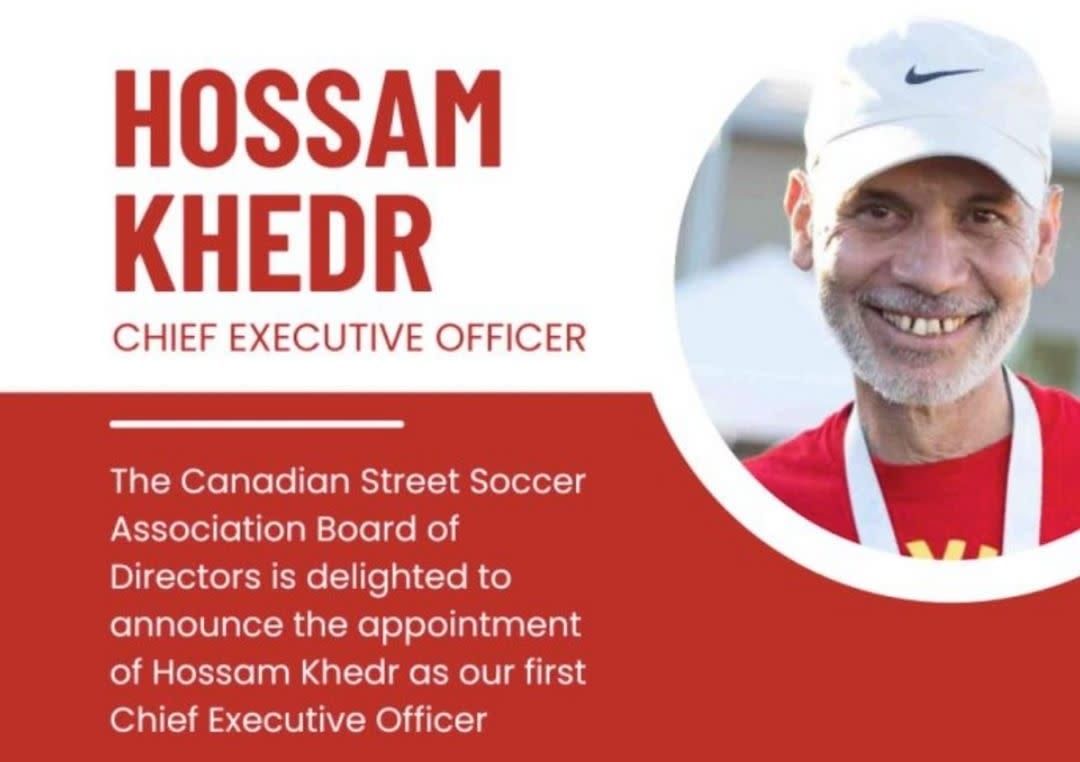
But for Hossam Khedr, the Founder and CEO of the Canadian Street Soccer Association (CSSA), the most important work happens in the quiet moments before the game—when a player, perhaps for the first time in years, feels seen, valued, and part of a team.
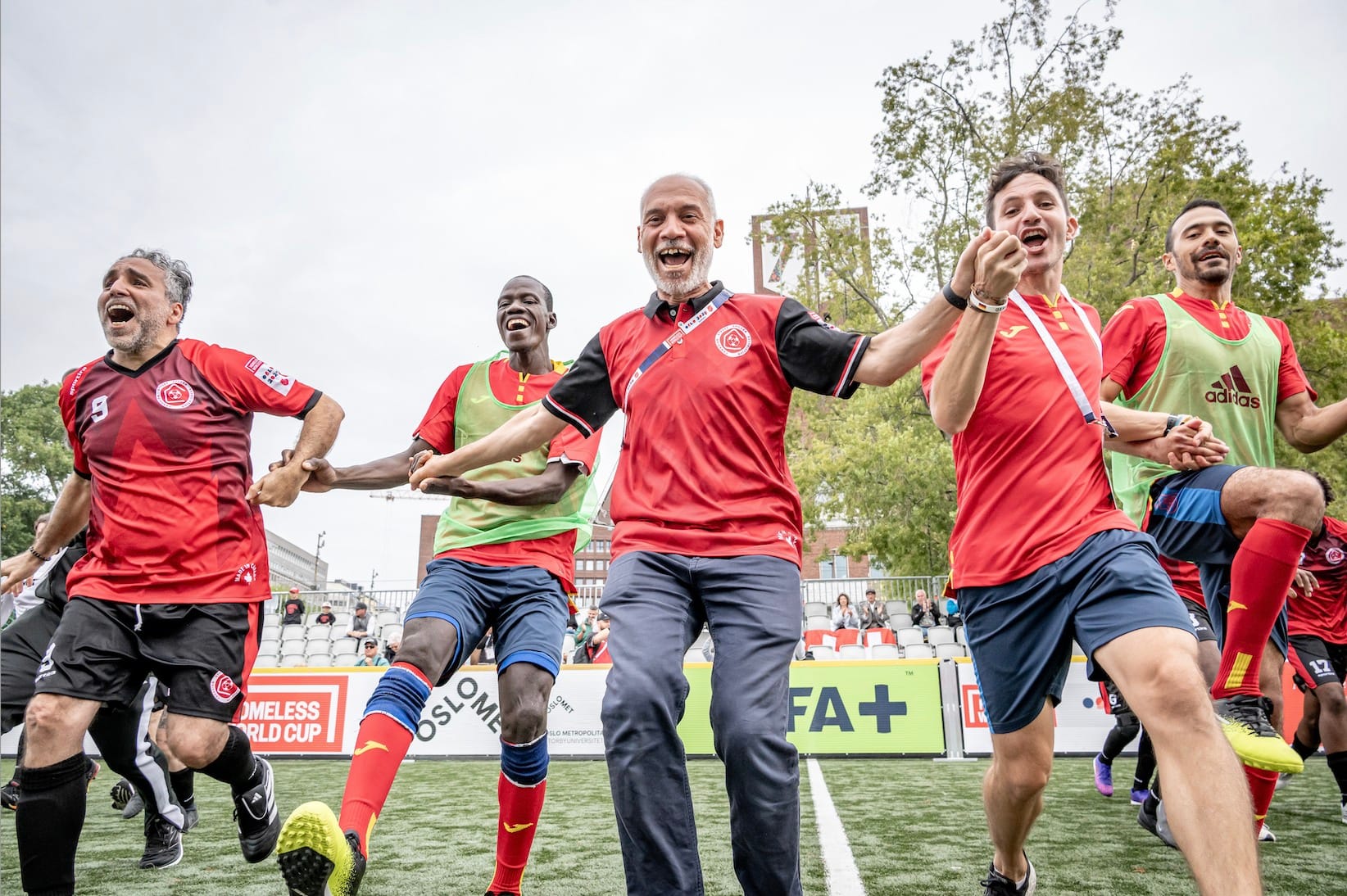
Khedr is the architect behind Canada’s recent and triumphant return to the international stage.
In August 2025, after a decade-long absence, a Canadian national team once again stepped onto the pitch at the Homeless World Cup in Oslo, Norway.
But Khedr’s story isn’t just about sports; it is a masterclass in how professional expertise, when married with a deep sense of faith-driven service, can transform lives.
A Career Built on Precision and Purpose
To understand the success of the CSSA, one must look at Khedr’s professional resume.
He is a community builder in the truest sense. With a Bachelor of Information Technology and an MBA from the University of Windsor, Khedr spent years navigating the high-stakes sectors of IT and finance.
This background in systems , strategic planning and managing teams is his "secret weapon."
While many non-profits struggle with scalability, Khedr approaches community building with the mindset of a corporate executive.
Also a founder and Chair of the Ontario Muslim Chamber of Commerce (OMCC), he has always looked for ways to bridge the gap between professionals, business leaders and grassroots communities.
Restoring Canada’s Global Presence
When Khedr founded the CSSA in 2024, he identified a glaring void. Canada had become a spectator in the global street soccer movement.
He knew that for individuals facing homelessness, addiction, or mental health challenges, the game of soccer could be more than exercise—it could be a bridge back to society.
"We don't pick players based on their skill with the ball," Khedr often reminds his staff. "We pick the people who can benefit the most from the journey."
This philosophy was on full display in Oslo. By partnering with organizations like the Canadian Mental Health Association (CMHA) and local shelters such as Dixon Hall, Khedr ensured that the team represented the resilience of the Canadian spirit.
The tournament wasn't just about the matches; it was about the players reclaiming their dignity on a world stage.
A Legacy of Grassroots Inclusion
Khedr’s work with the CSSA is the latest chapter in a lifetime of service. For over 20 years, he served as a coach, convener and eventual Chair of the Muslim Youth Soccer League (MYSL).
Under his stewardship, the league became a cornerstone for families seeking affordable sports opportunities in the GTA, proving that sports could be a powerful tool for civic engagement and character building.
His commitment to "soccer for all" extended to the most marginalized. Alongside his wife, renowned disability and human rights advocate Rabia Khedr, he co-founded AccessKix, a program of DEEN Support Services.
The program was a pioneer in making soccer accessible for individuals with disabilities, ensuring that physical or cognitive barriers didn't mean a life spent on the sidelines.
Faith as the Ultimate Motivator
For those who know Hossam, his tireless work is clearly rooted in a worldview that sees service as a spiritual obligation.
Whether he is drafting a business proposal, finishing a doctoral thesis, or cheering from the sidelines in Oslo, his goal remains the same: to do good in a way that is structured, sustainable, and deeply respectful of human dignity.
The Road Ahead
As the CSSA looks toward 2026, Khedr is already planning the next phase of expansion.
His vision is a nationwide network of street soccer hubs that provide not just a game, but a pathway to housing, employment, and health supports.
In a world that often measures success by what we accumulate, Hossam Khedr reminds us that the greatest legacy is what we enable others to achieve.
He has taken an exceptional corporate resume and turned it into a toolkit for social change, proving that when we bring our best professional selves to our community work, everyone wins.