
‘Where Two Seas Meet’: Toronto Interfaith Gathering Celebrates Water and Unity
The gathering brought together two significant faith observances: the conclusion of the Christian Season of Creation and the start of Islamic History Month Canada. At the heart of the dialogue was an element essential to all life and revered across sacred texts: the sacredness of water.
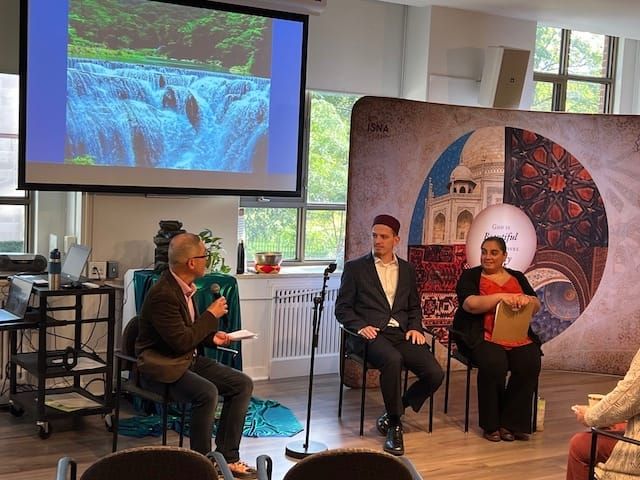
On October 4th, members of Christian and Muslim communities gathered at the Mary Ward Centre in downtown Toronto to mark a rare and meaningful spiritual convergence.
Titled “Where Two Seas Meet,” the gathering brought together two significant faith observances: the conclusion of the Christian Season of Creation and the start of Islamic History Month Canada. At the heart of the dialogue was an element essential to all life and revered across sacred texts: the sacredness of water.
Jointly organized by The Mary Ward Centre, Faith & the Common Good, ISNA Canada, and the Sisters of St. Joseph of Toronto, the event provided a welcoming space for shared reflection, mutual learning, and practical dialogue around ecological stewardship.
A Confluence of Sacred Traditions
The timing of the event held special significance. The Season of Creation is an ecumenical Christian period of prayer and ecological action that runs annually from September 1 to October 4, culminating on the Feast of St. Francis of Assisi, the patron saint of ecology.
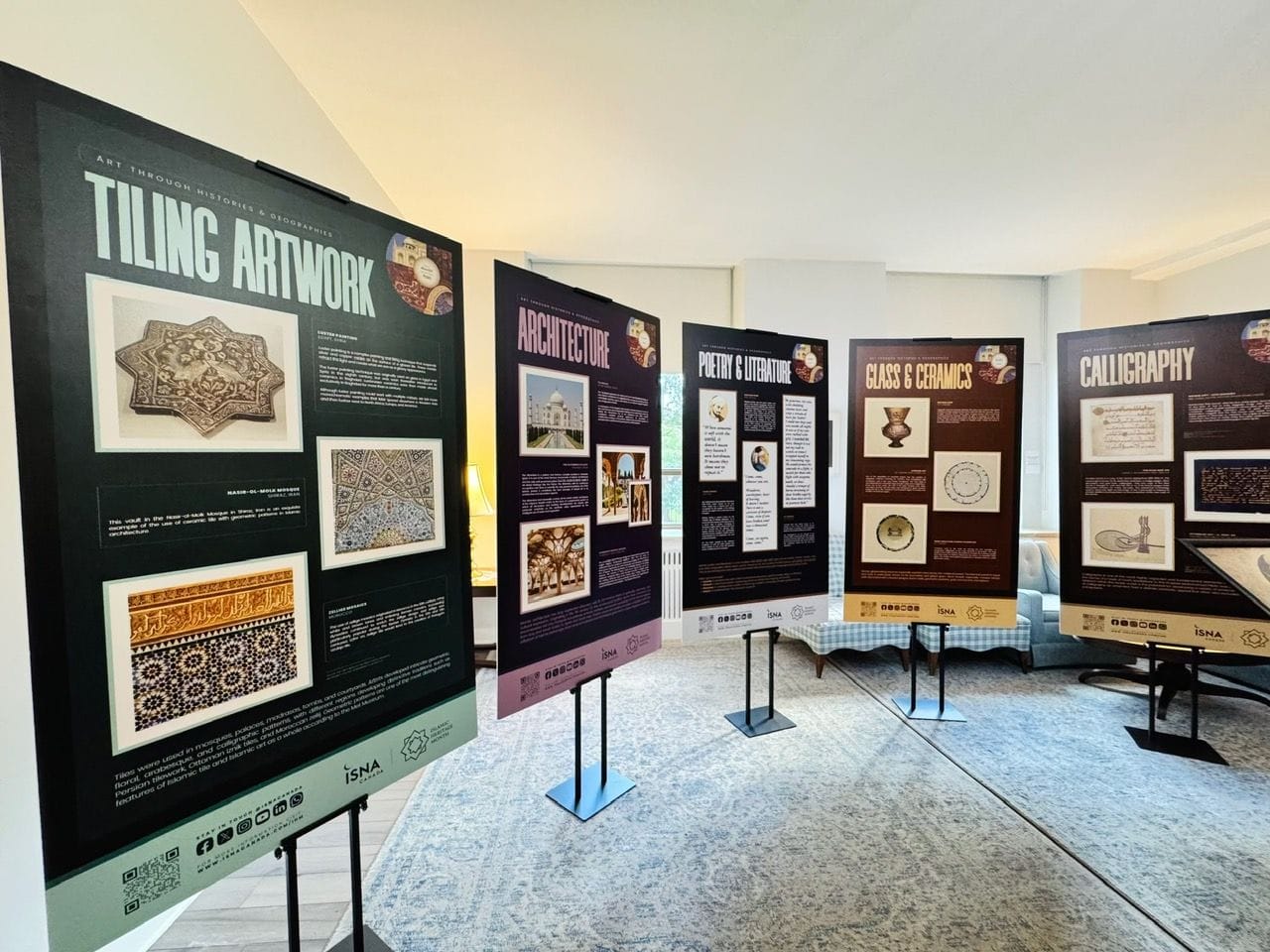
Simultaneously, October marks Islamic History Month across Canada, a time to recognize the contributions, heritage, and values of Canadian Muslims.
The title of the gathering, “Where Two Seas Meet,” evokes a well-known image from the Qur'an, where distinct bodies of water flow side by side with mutual harmony.
In a world often marked by social tension and polarization, the organizers sought to create a similar meeting place—one where different faith backgrounds come together without losing their unique identity, united in shared responsibility for the Earth.
Water served as the natural focal point. In both traditions, water is not simply a commodity or a natural resource; it is a divine gift and a source of purification and renewal.
In Islamic tradition, the sanctity of water is foundational. The Qur’an reminds humanity that God “made from water every living thing” (21:30). Throughout the teachings of Prophet Muhammad (peace be upon him), believers are urged to avoid wastefulness, even when washing beside a flowing river.
Similarly, in Christian theology, water is central to sacrament, rebirth, and God's sustained care for the cosmos.
Faith in Action: Caring for the Common Good
The afternoon featured focused discussions between Catholic environmental educator Sabrina Chiefari and ISNA’s Ustad Muhammad Elmarouk, exploring how theological values translate into everyday environmental protection.
The panelists addressed urgent ecological challenges, from the protection of Canadian watersheds and the Great Lakes to the global reality of climate change and clean water access.
Canadian environmentalist and community leader Muaz Nasir, who took part in the event, noted that the gathering served as a reminder that caring for the planet transcends theological boundaries.
“At its centre was a timely and unifying theme: the sacredness of water,” Nasir shared following the gathering. “In a world where many challenges can feel divisive, this gathering offered a hopeful example of how shared learning and common purpose can strengthen community. Hearing these shared values discussed across faith perspectives was a powerful reminder that environmental stewardship can also be an act of faith, gratitude, and care for one another.”
The afternoon included the sharing of a meal showcasing Islamic, Christian, and diverse interfaith culinary traditions—proving that breaking bread together remains one of the simplest and most effective ways to build lasting goodwill.
A Model for Community Resilience
For decades, community builders have recognized that the twin challenges of social fragmentation and environmental degradation cannot be solved in isolation. Solutions require moral vision, collective action, and grassroots relationships built on trust.
Gatherings like “Where Two Seas Meet” show that faith communities are uniquely positioned to lead on environmental stewardship. By drawing upon deep moral teachings of gratitude and accountability, faith groups can inspire people to care for their local environments not out of fear, but out of reverence and neighbourly love.
As participants stepped back out onto the streets of Toronto, the shared commitment was unmistakable: to carry the spirit of the afternoon into everyday habits, congregational life, and wider civic advocacy.
In bridging the end of the Season of Creation with the start of Islamic History Month, the gathering demonstrated that when people of faith work together for the common good, compassion and hope flow naturally.