
Walking Forward Together: MIC Graduation Marks a New Chapter in Muslim-Indigenous Relations
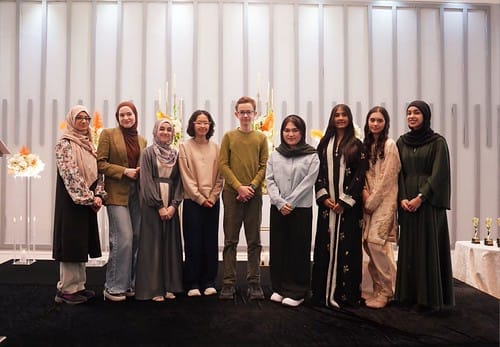
Imams, Indigenous knowledge keepers, community leaders, and families gathered to celebrate the first in-person graduation of the Muslim-Indigenous Connection (MIC) program. The ceremony marked the completion of a transformative three-month journey for thirteen young Muslim leaders.
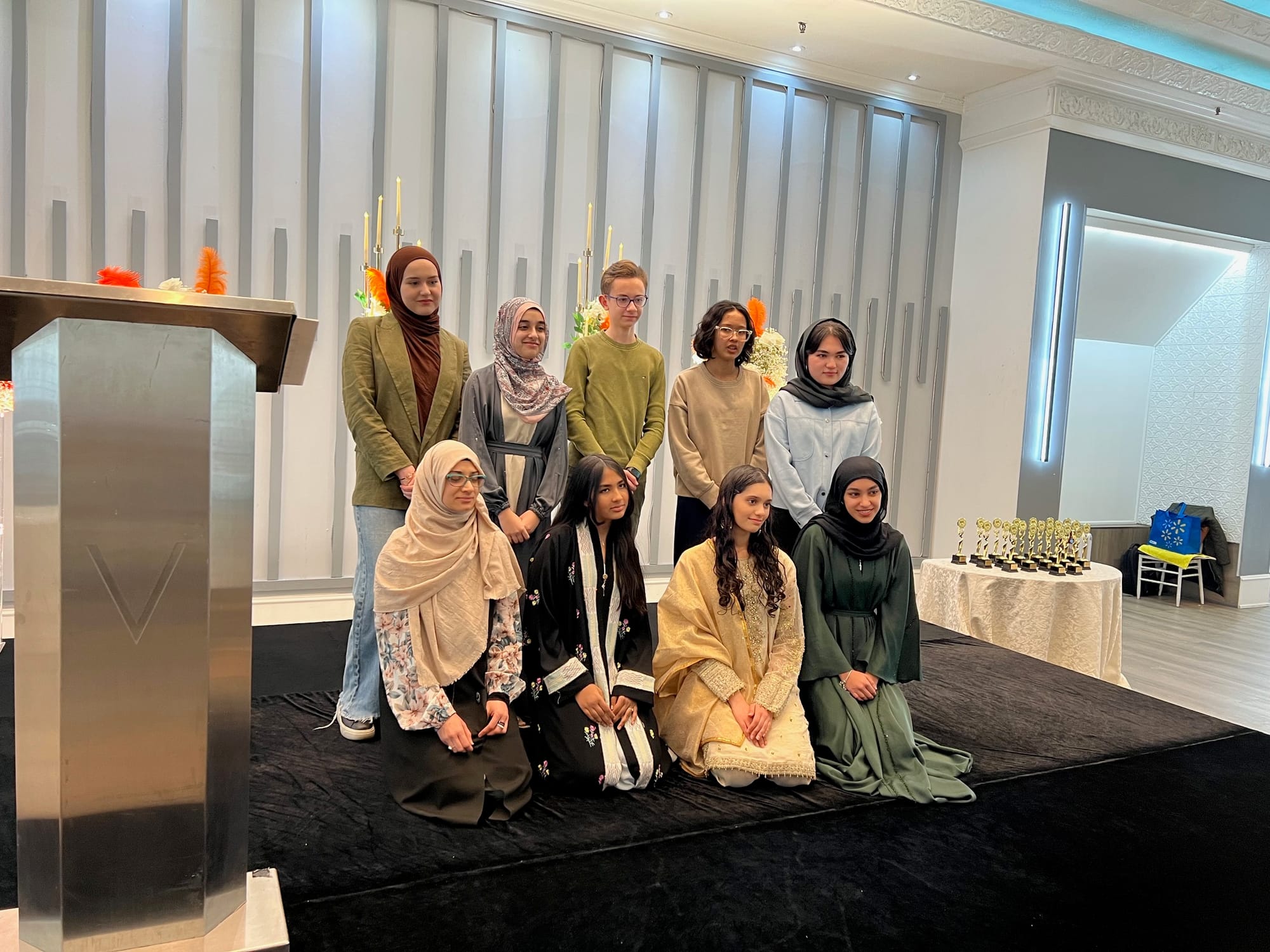
On the evening of Saturday, January 31, 2026, the Verdi Convention Centre was transformed into a space of profound reflection and renewed commitment.
Approximately 80 attendees—including Imams, Indigenous knowledge keepers, community leaders, and families—gathered to celebrate the first in-person graduation of the Muslim-Indigenous Connection (MIC) program.
The ceremony marked the completion of a transformative three-month journey for thirteen young Muslim leaders.
It was not merely a certificate presentation; it was the public unveiling of a national cause that began with a moment of deep spiritual unease.
The Spark: From the Pulpit to Action
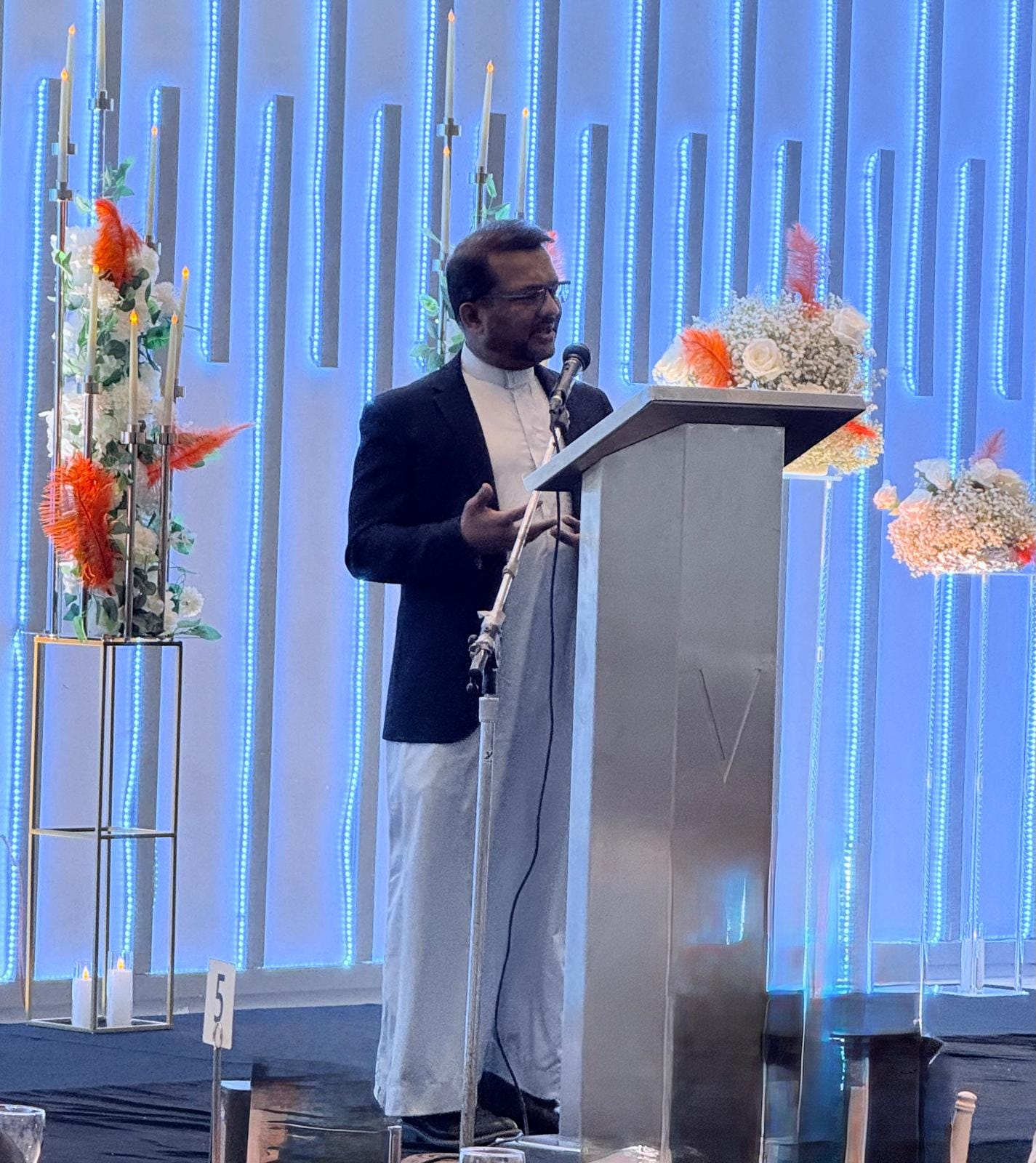
The program’s founder, Imam Irshad Osman, shared the moving story of MIC’s origins.
He traced it back to the summer of 2021, following the discovery of mass graves at the Kamloops residential school.
Standing at the pulpit to read a solidarity statement, Osman found himself haunted by a question of sincerity.
"Was I being sincere? Or was I just reading words?" Osman reflected. "As Muslims, we had been living on Turtle Island... placing our foreheads in Sujood (prostration) on this earth. Yet we had never genuinely learned the history of those who stewarded and protected the earth for us to settle."
This discomfort became the seed for the MIC youth leadership program and the birth of Canadian Muslims in Reconciliation (CMIR)—the first non-profit in Canada focused specifically on building authentic, sustained relationships between Muslim and Indigenous communities.
A Journey Toward Justice
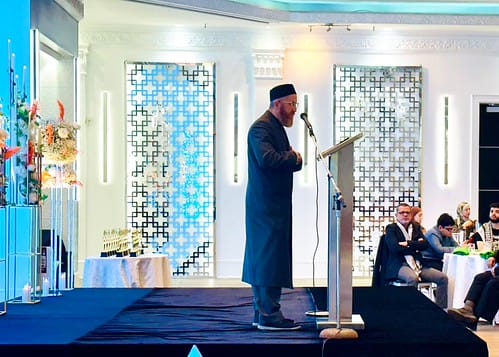
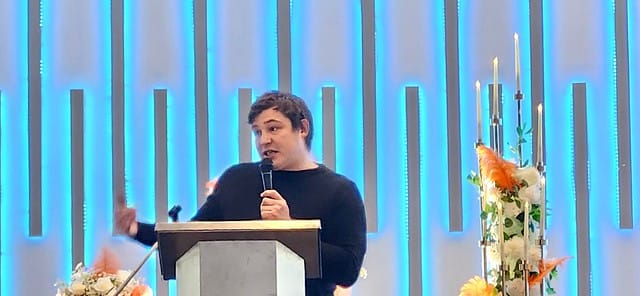
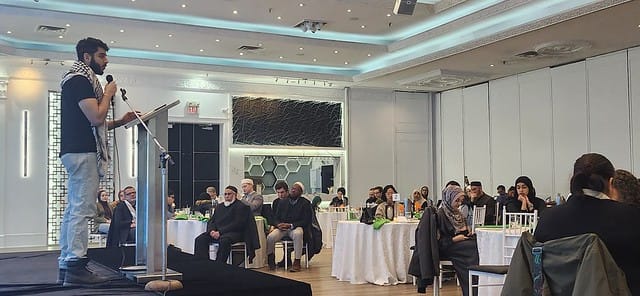
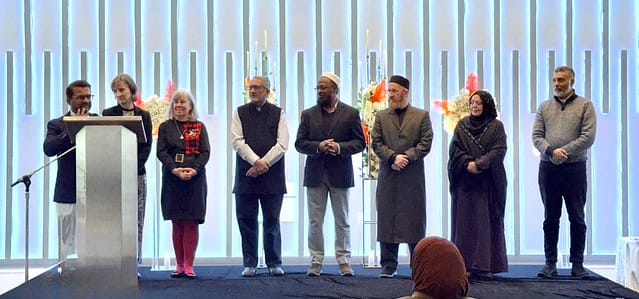
The evening, guided by Emcee Yusra Hassan, featured a diverse array of voices that illustrated the breadth of the program's impact.
After a moving Qur'an recitation by Hafiz Abdullah Sarfraz and a Land Acknowledgment by Hafsa Siddiqui, several guest speakers shared their perspectives on the intersection of faith and reconciliation.
Imam Abd Alfatah Twakkal spoke on the "Journey Towards Justice," while Indigenous Knowledge Keeper Mark Szkoda explored the "Co-existence of Spirituality and Religion."
Mohamed William provided a global perspective, speaking on "Indigenous Solidarity for the Palestinian Struggle," highlighting how the pursuit of justice for Indigenous peoples on Turtle Island is deeply connected to global struggles for human dignity.
MIC Alumna Maryam Sheikh also addressed the gathering, reflecting on how the local work of MIC creates a "global impact" by providing a blueprint for how faith communities can engage in decolonization and healing.
Nasir’s Keynote: Faith as a Bridge
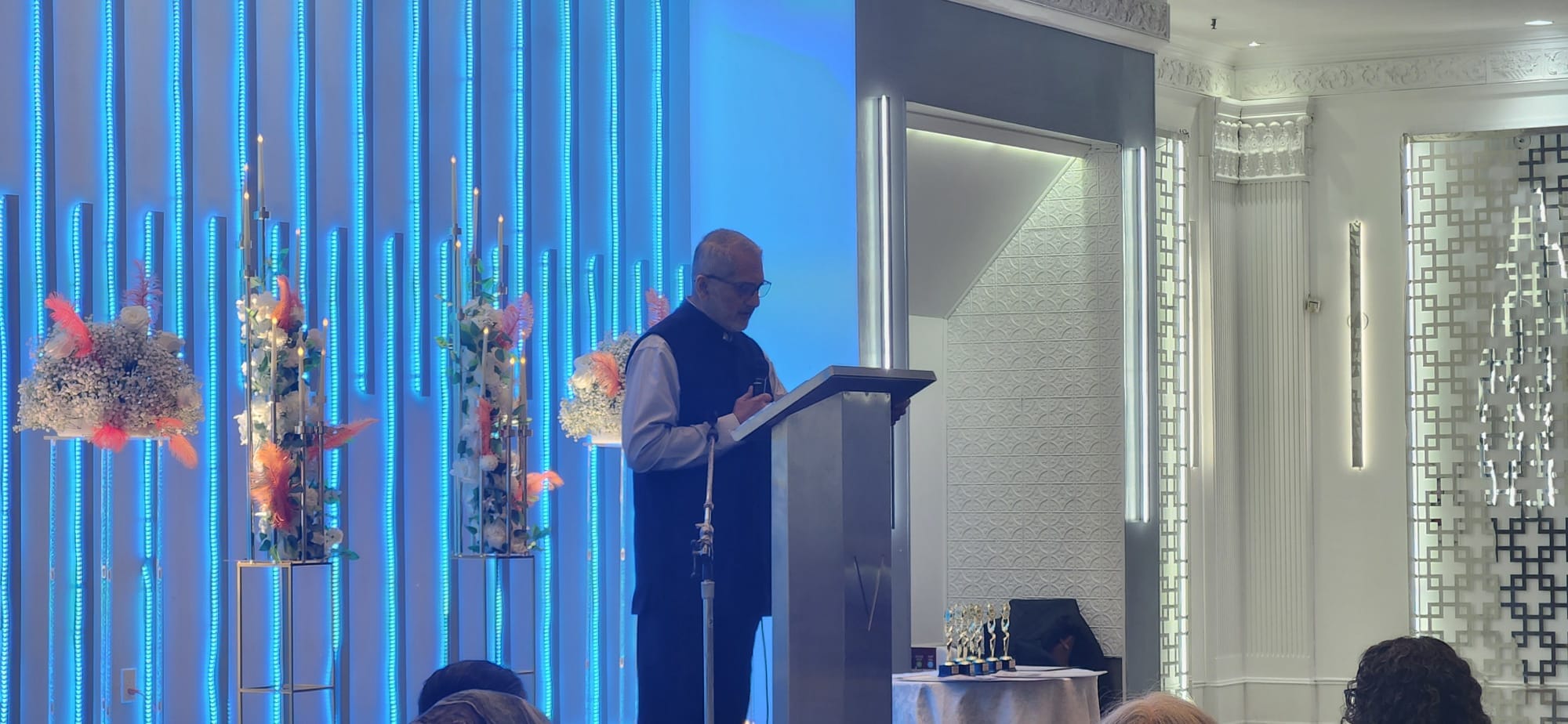
In an address titled "Walking Forward Together," Muneeb Nasir, a pioneer in Muslim-Indigenous relations and board member with CMIR, reminded the graduates that this ceremony was only a beginning.
"You come to this moment not only having completed weeks of learning, but having taken your first steps into a lifelong responsibility," Nasir stated. "Over these weeks, you chose to listen. You chose to learn. And in doing so, you chose relationship."
Nasir emphasized that for the Muslim community in Canada, this relationship is foundational to their identity.
"Our future as Muslims in Canada is inseparable from our relationship with Indigenous peoples," he remarked. "How we belong to this land—how we feel rooted here—is shaped by how we relate to those who have always been here."
He introduced the graduates to the Islamic concept of ‘urf, or local custom, explaining that Indigenous legal orders and treaties represent the ‘urf of Turtle Island.
"Indigenous peoples give us our local customs—‘urf—the living context through which we practice responsibility, dignity, and care in the place we now call home," Nasir explained.
This commitment to knowing one’s neighbours is a divine mandate, as referenced in the Qur’an: “People, We created you all from a single man and a single woman, and made you into races and tribes so that you should recognize one another.” (49:13).
Nasir further highlighted shared values like Amanah (trust), integrity, and the Indigenous teaching of planning for seven generations.
He reminded the audience that "the pain of one is the pain of all, and the honour of one is the honour of all."
A Sacred Pledge of Allyship
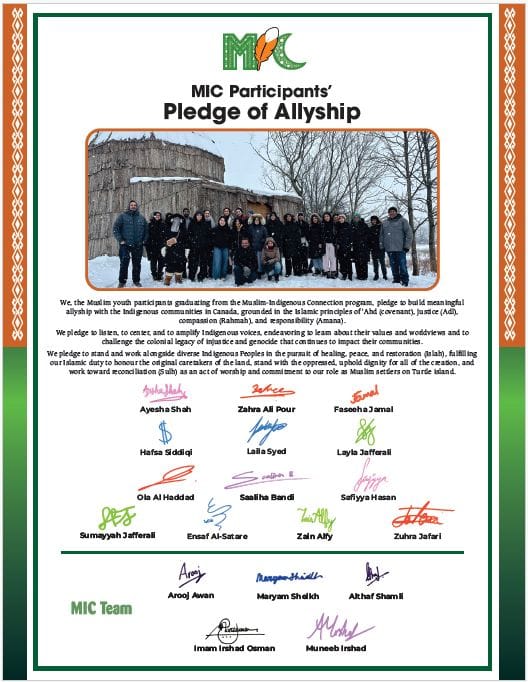
A defining moment of the ceremony, presented by Saaliha Bandi, was the signing of the MIC Participants’ Pledge of Allyship.
Grounded in the principles of ‘Ahd (covenant), ‘Adl (justice), Rahmah (compassion), and Amana (responsibility), the graduates committed to challenging the colonial legacy of injustice and working toward Islah (healing) and Sulh (reconciliation) as an act of worship.
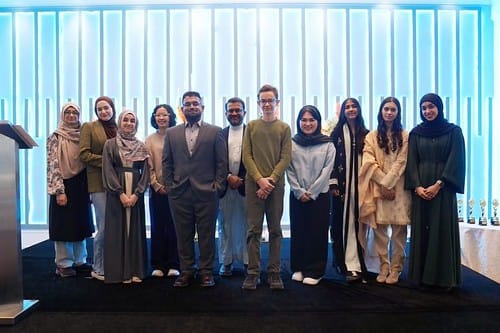
The thirteen graduates who signed this historic pledge are:
Ayesha Shah; Zahra Ali Pour; Faseeha Jamal; Hafsa Siddiqi; Laila Syed; Layla Jafferali; Ola Al Haddad; Saaliha Bandi; Safiyya Hasan; Sumayyah Jafferali; Ensaf Al-Satare; Zain Alfy and Zuhra Jafari.
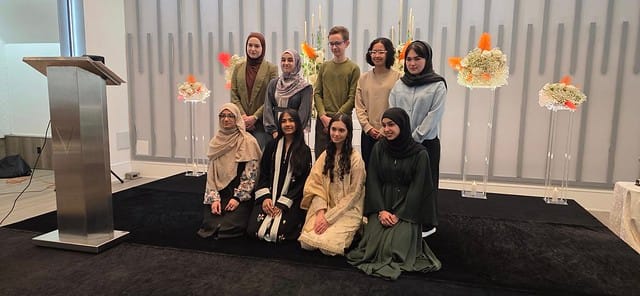
A Community United in Gratitude
The "Vote of Thanks," delivered by Sumaiya Hidayathullah, recognized the many hands that supported the award-winning program.
Special gratitude was extended to the Indigenous Elders and Knowledge Keepers—including Bevann Fox, Suzie Miller, Mark Szkoda, David Bolton, Brandi Bilodeau, and Julia Kozac—who shared their histories and hearts.
The ceremony also acknowledged the support of numerous partners and sponsors.
As the evening concluded, Muneeb Nasir offered a final call to action, urging the community to choose "respect over comfort, service over silence, and relationship over distance."
He closed with a moving supplication: "Ever present God, You called us to be in relationship with one another.... In our community, we are many different people; we come from many different places, have many different cultures. Open our hearts that we may be bold in finding the riches of inclusion and the treasures of diversity among us."
With the class of 2026 now entering their communities as ambassadors of reconciliation, the seed planted in 2021 has begun to grow into a forest of shared responsibility on this land.
For highlights from the event and information on how to get involved, visit MIC on Facebook or Instagram