Toronto's Muslim Youth Take Reconciliation Story to the World
Young Muslim leaders from Toronto recently brought their unique program, the Muslim-Indigenous Connection (MIC), to an international stage.
Young Muslim leaders from Toronto recently brought their unique program, the Muslim-Indigenous Connection (MIC), to an international stage.
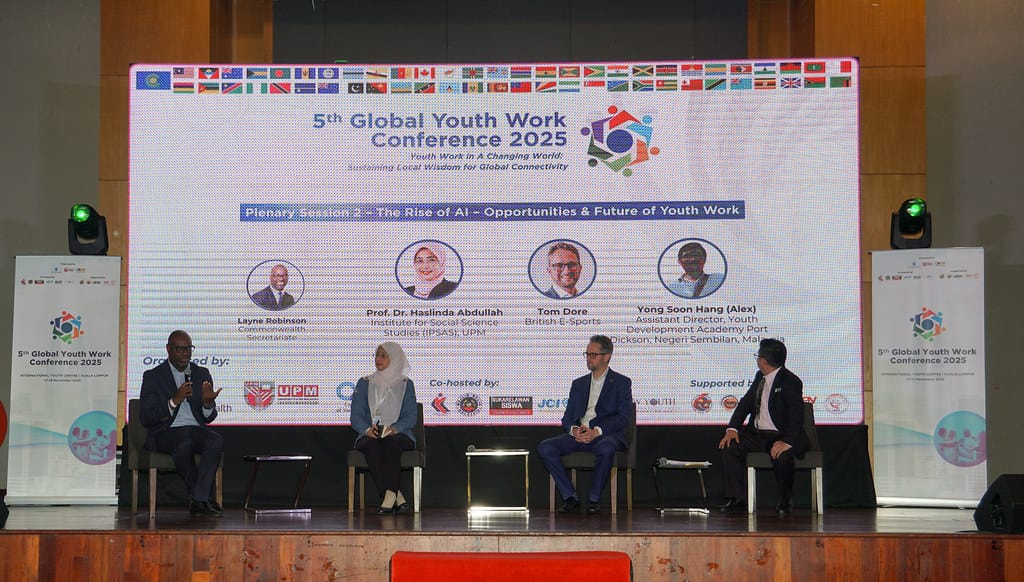
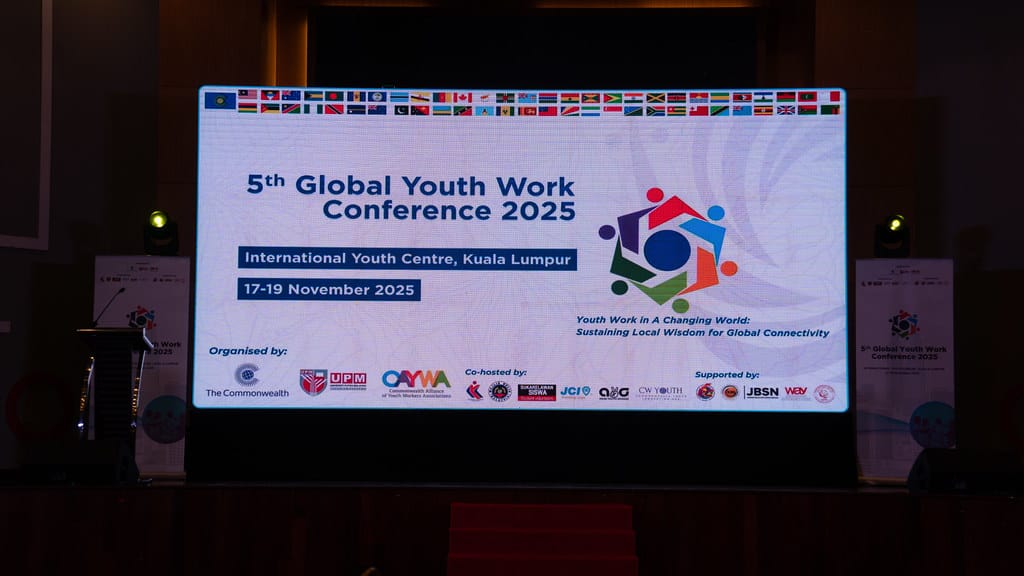
They travelled to Kuala Lumpur, Malaysia, to share their work on youth leadership and reconciliation at the Commonwealth’s 5th Global Youth Work Conference that was held from 11-19 November 2025.
The conference was a vital meeting point.
Over several days, the Toronto delegates joined peers from countries including Malaysia, Singapore, India, Pakistan, Zambia, and the UK.
They gathered to exchange powerful ideas about how to strengthen community bonds, empower young people, and use faith as a foundation for positive social change.
A Unique Model with Global Potential
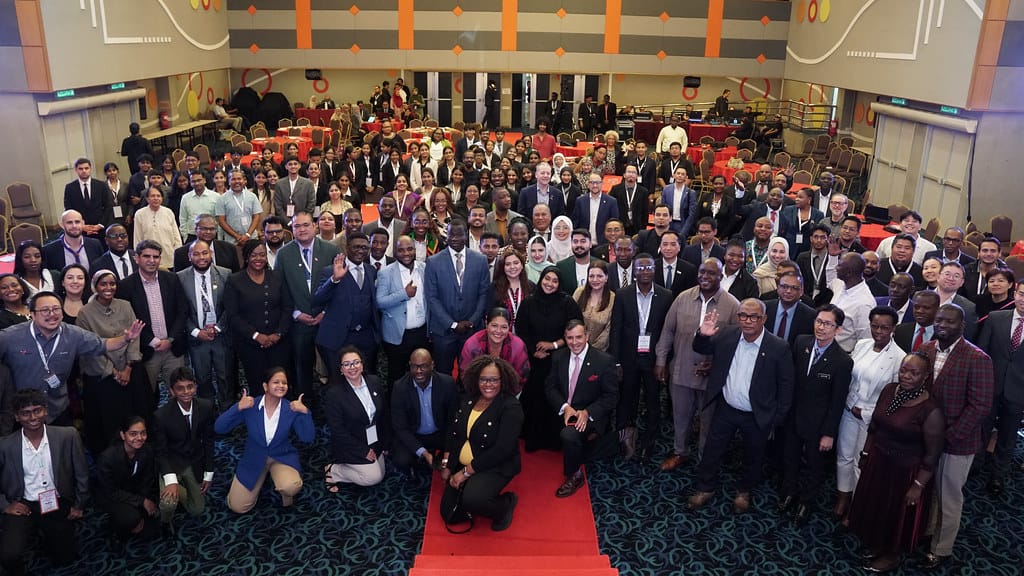
The core of the MIC team’s visit was their presentation.
They gave a detailed overview of the program's framework—an experiential learning model that they described as truly one-of-a-kind.
The MIC program is special because it focuses on supporting young Canadian Muslims to engage respectfully and meaningfully with Indigenous communities.
It is not just about learning history; it is about building real relationships and understanding one's own role in the journey toward reconciliation and justice.
During their session, the team proposed that this successful framework could be adapted and used in other parts of the world.
They showed how the ideas behind MIC could help youth engage with groups facing similar challenges globally, such as:
Orang Asli communities in Malaysia; Adivasi in India; Veddha in Sri Lanka; Aboriginal communities in Australia; Even contexts like the Uyghur communities in China.
By sharing their work alongside other Commonwealth youth projects, the MIC team demonstrated a crucial point: Muslim youth have a constructive and necessary voice in conversations about community healing, justice, solidarity, and lasting change.
The program’s success comes from its powerful blend of learning, deep personal reflection, and focused relationship-building.
Gratitude and Key Lessons from Kuala Lumpur
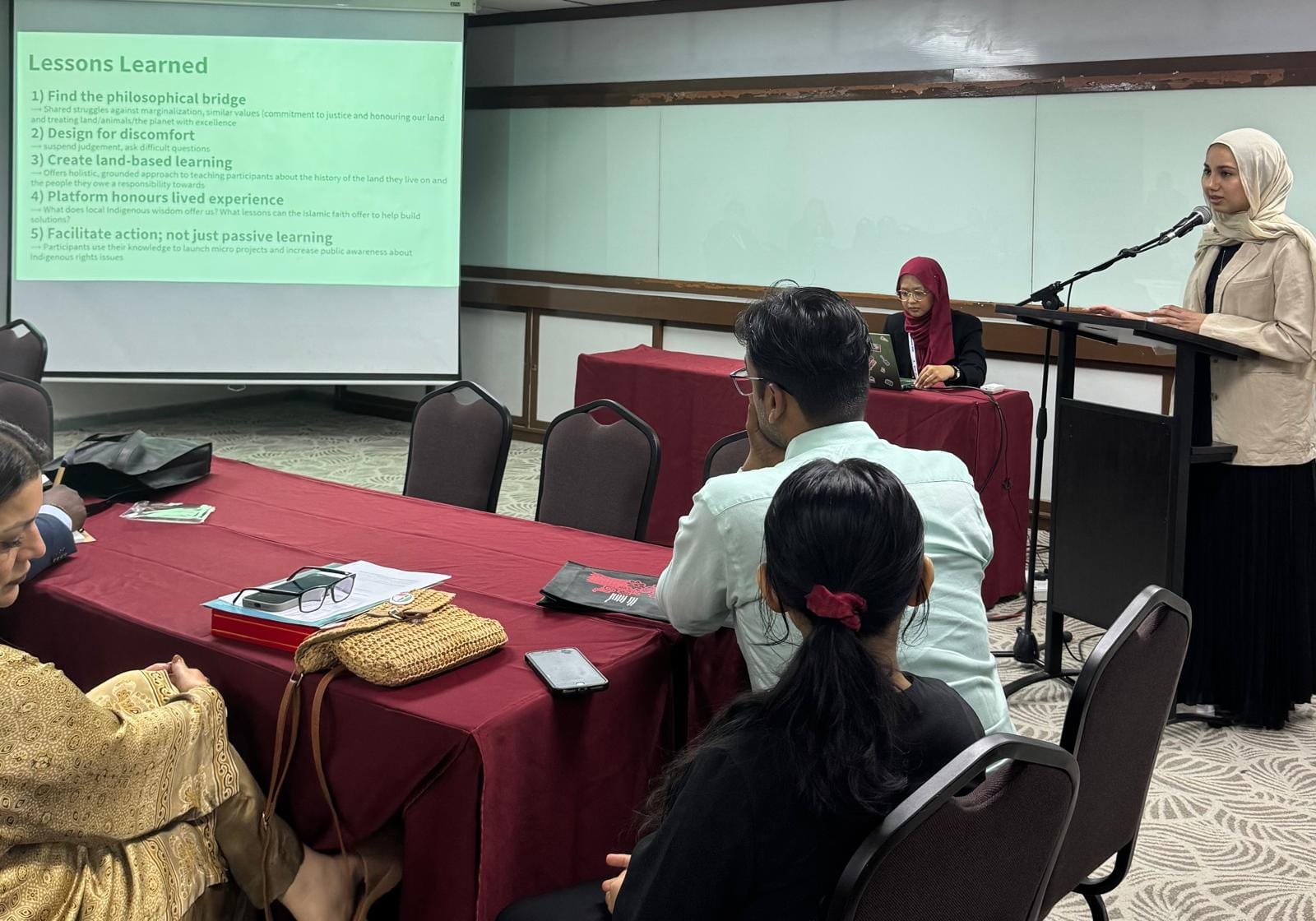
After the conference, Maryam Sheikh, one of the MIC participants, shared a reflection on her experience.
She described the week in Kuala Lumpur as both a blessing and a privilege.
For Maryam, the trip was valuable for many reasons:
1. It gave her the chance to formally present the MIC learning framework to an international audience.
2. She learned about inspiring projects supporting marginalized youth and developing young women as strong community leaders.
3. She saw firsthand how faith-based youth work is actively strengthening communities across the globe.
Maryam noted that the conference workshops included very practical discussions, especially around the important topic of safeguarding young people in a rapidly changing world.
Group sessions helped the delegates craft shared, actionable recommendations focused on the conference themes.
She also took a moment to express profound gratitude for the support she received from the Canadian Muslim in Reconciliation (CMIR) board, Imam Irshad, and Dr. Amjad Saleem.
She explained that their encouragement and support made it possible for her to travel, reflect deeply on the impact MIC has had on her own life, and share that personal journey with leaders from around the world.
Looking Ahead and Inspiring Change
The program also allowed the visitors to experience Malaysia’s rich culture and civic landscape, including a tour of the beautiful Putra Mosque in Putrajaya.
Maryam remarked that the trip offered a window onto the vibrancy and diversity of Malaysian culture and the remarkable generosity and warmth of the people she met.
As she looked to the future, Maryam offered a prayer for the continued success of the MIC program: that it would keep nurturing young leaders, that its important work would reach wider audiences globally, and that everyone’s efforts would be accepted by God as an ongoing form of service and lasting charity (Sadaqa Jariyah).
For the MIC team, the entire experience in Kuala Lumpur was a powerful confirmation.
It proved that local efforts—like the honest, heartfelt work of reconciliation happening in Toronto—can have a powerful impact on an international stage.
Their journey affirmed that one local commitment can inspire and inform similar, meaningful work in communities across the globe.