Ms. Rachel speaks out for Gaza’s children
With millions of young fans worldwide, she’s using her voice for Gaza’s most vulnerable — and facing fierce backlash.
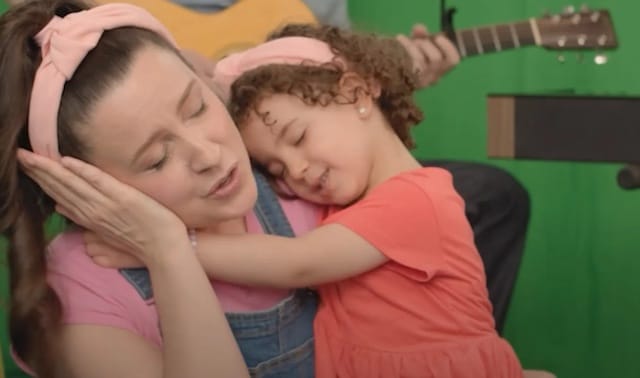
Rachel Griffin Accurso, known to millions as Ms. Rachel, built her career teaching toddlers to talk and sing.
Now, the creator of Songs for Littles is using her global platform to speak out for children living — and dying — under siege in Gaza.
Since May 2024, Ms. Rachel has made the plight of Palestinian children a central focus of her public work.
She has shared stories, raised funds, and used her massive social media following — over 16 million YouTube subscribers — to amplify the voices of families living through war.
One of her most moving appeals featured Rahaf, a three-year-old girl who lost both legs in an Israeli airstrike.
By telling Rahaf’s story with compassion and dignity, Ms. Rachel put a human face on a crisis often reduced to statistics.
“Every child deserves safety, love, and the chance to grow up,” she told her followers, adding that “Gaza’s children are as precious as any children in the world.”
@msrachelforlittles Meeting Rahaf from Gaza 💕
♬ original sound - Ms Rachel
A Digital Lifeline for Families in War Zones
Videos of children in Gaza’s tent encampments watching Ms. Rachel on a cracked tablet have gone viral — a reminder that even amid rubble, her bright songs and simple words can offer moments of normalcy.
Parents have reached out to say her programs bring comfort to children traumatized by constant bombing and displacement.
Her advocacy has drawn comparisons to Mister Rogers, with some commentators calling her a rare figure who combines early childhood education with moral courage.
Backlash and Accusations
But speaking up for Gaza’s children has come at a cost.
Pro-Israel advocacy groups have accused Ms. Rachel of spreading misinformation and called for a U.S. government investigation into her activism.
She has been targeted online and in the media, with critics claiming her focus is politically one-sided.
In response, Ms. Rachel has stood firm.
She insists her advocacy is rooted in universal compassion — for Palestinian, Israeli, Jewish, and all children caught in conflict.
“Standing for one group’s humanity,” she said, “does not mean denying another’s.”
From Songs to Solidarity
For years, Ms. Rachel was best known for helping toddlers say their first words.
Now, she is also a prominent voice for children whose first words may be spoken in refugee camps or under the sound of drones.
Her transformation from YouTube educator to outspoken humanitarian reflects a new era in children’s media — one where creators are not just entertainers but moral leaders, willing to risk controversy to speak up for the most vulnerable.