
From Victims of Hate to Builders of Hope: A Muslim Path in Canada
If our presence in Canada is defined solely by victimhood, then Islamophobia has already set the terms of our existence. Perhaps the most faithful response to Islamophobia is not only resistance, but contribution.
By Muneeb Nasir
For Muslims in Canada, the pain of Islamophobia is never far away.
The Quebec City mosque shooting, the murder of the Afzaal family in London, Ontario, the defacing of mosques, and the everyday harassment faced by visibly Muslim women have etched themselves into our collective memory.
Even in the realm of law, with measures like Quebec’s Bill 21, Muslims are reminded that their visibility and belonging remain contested.
In the face of such hostility, our communities respond.
Advocacy groups issue statements and call for justice.
These acts are necessary—our faith teaches us to stand firm against oppression.
Yet we must also pause and reflect.
When we are constantly reacting, we risk being caught in what can be called ‘strategic distraction’.
Our collective energy is pulled into responding to the latest incident, the newest policy, the next hateful remark.
Over time, this reactive posture can narrow our vision.
It can make us known primarily by the prejudice we endure, rather than the contributions we bring.
Islam, however, calls us to a wider horizon.
The Prophet Muhammad, peace be upon him, did not build his community in Medina by only resisting those who opposed him.
He built by nurturing bonds of trust, establishing justice, feeding the hungry, and reconciling neighbours.
His example reminds us that resistance is necessary, but it is not sufficient.
Our greater task is to embody Islam’s positive message: mercy, compassion, and service to all.
In Canada, we glimpse this whenever Muslims move from reaction to initiative.
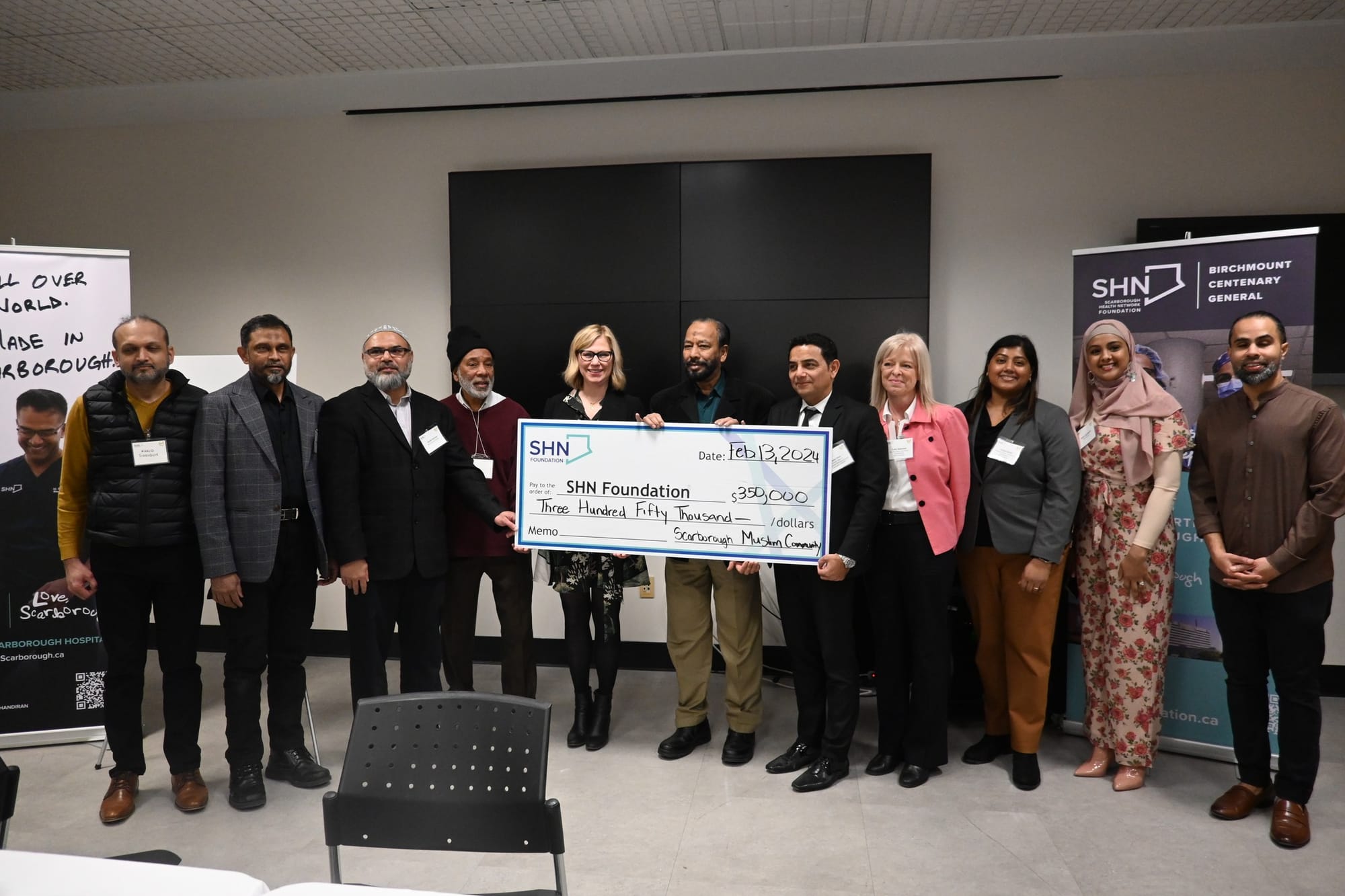
Food banks supported by mosques, refugee sponsorships, interfaith climate projects, and partnerships with Indigenous communities are not responses to Islamophobia—they are expressions of faith.
This is not to dismiss the real dangers of Islamophobia, which must be confronted wherever it appears.
But we cannot allow it to dictate the sum of who we are.
If our presence in Canada is defined solely by victimhood, then Islamophobia has already set the terms of our existence.
The challenge is balance.
We must speak against hatred, but we must also lead with the richness of our tradition: caring for the vulnerable, upholding justice, protecting the earth, and building bridges of understanding.
These are the actions that allow us to live as stewards entrusted by God to cultivate good in the world.
Perhaps the most faithful response to Islamophobia is not only resistance, but contribution: nurturing spaces of compassion, opening opportunities for service, and strengthening bonds of trust and solidarity.
In reclaiming this agency, we remember that our worth is not measured by what others think of us, but by how sincerely we live out the trust God has placed upon us.