
Canadian Muslim Groups Raise Alarm Over CRA Audits in Press Conference
The speakers called for transparency, accountability, and changes to the CRA’s audit practices—particularly those conducted under the Review and Analysis Division (RAD), which handles audits linked to national security and anti–terrorism financing.
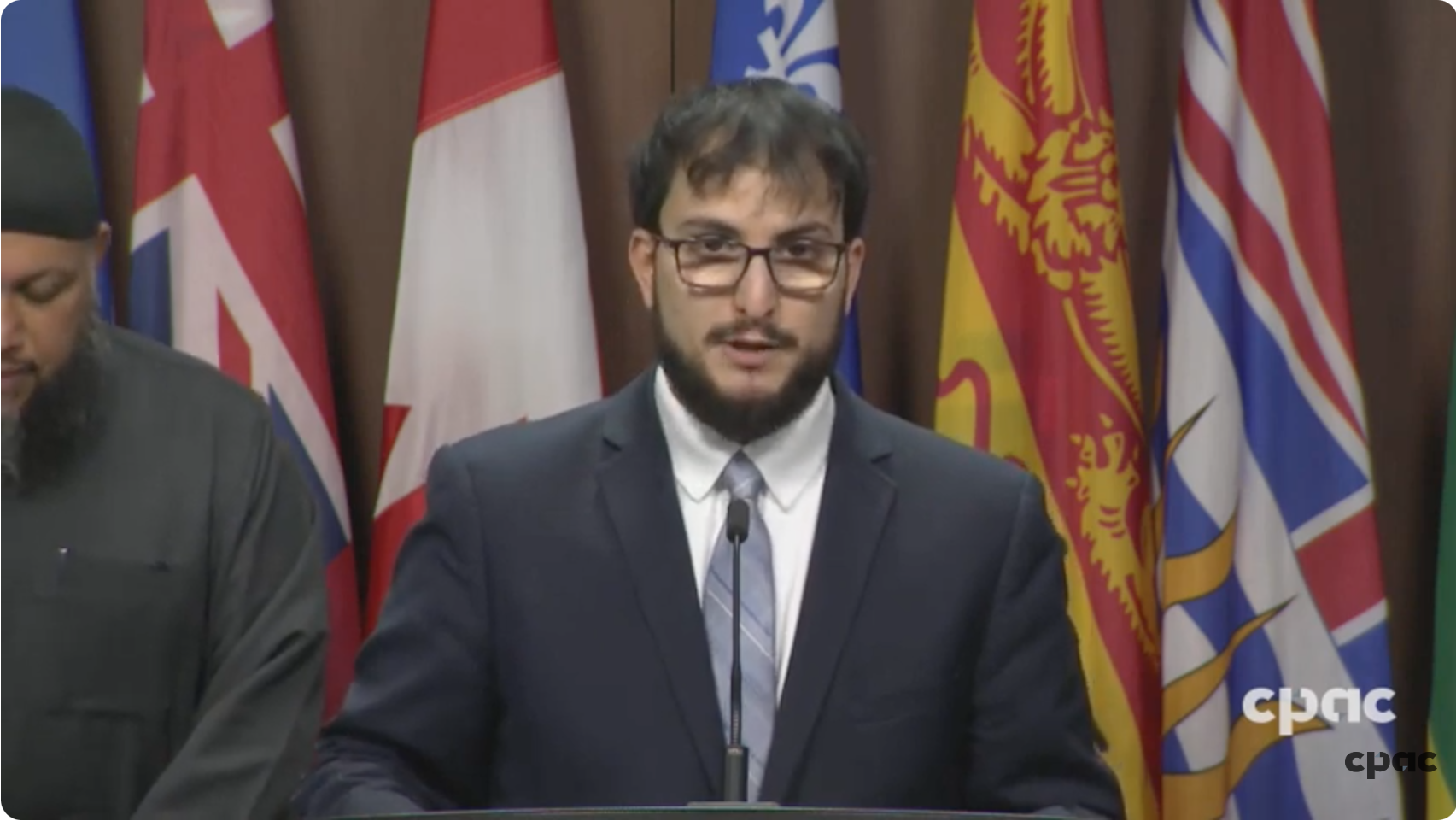
National Council of Canadian Muslims and a coalition of Canadian Muslim civil society groups held a press conference on October 30 to respond to what they describe as disproportionate Canada Revenue Agency (CRA) auditing and regulatory pressure directed at Muslim-led charities.
The speakers called for transparency, accountability, and changes to the CRA’s audit practices—particularly those conducted under the Review and Analysis Division (RAD), which handles audits linked to national security and anti–terrorism financing.
Key Messages from the Press Conference
- The group accused the CRA’s RAD of applying biased audit selection criteria, disproportionately targeting Muslim charities without clear evidence of wrongdoing.
- They highlighted that many audits have dragged on for years, inflicting financial, reputational, and operational harm on the affected organizations.
- They called on the federal government to implement stronger oversight, including independent reviews, to ensure fairness and to protect the charitable sector’s integrity.
- Speakers appealed to Canadians’ sense of justice: charitable organizations serving social, educational, and humanitarian causes should not be treated as suspects by default.
Context & Broader Concern
The press conference comes amid growing scrutiny of CRA’s audit practices involving Muslim-led charities.
A report by the National Security and Intelligence Review Agency (NSIRA) earlier this month noted that most charities audited by RAD were Muslim or Sikh, raising questions about whether RAD is unfairly targeting these communities. (NSI Review Agency)
Critics argue that a “risk-based” approach to audits, especially when tied to counter-terrorism, can become a vehicle for profiling when applied with insufficient transparency or accountability.
Academic and civil society research has long warned of structural biases in these audit systems.
The project Under Layered Suspicion examines how policy frameworks around anti–terrorism and counter-radicalization may render Muslim-led charities uniquely vulnerable to audit actions that others avoid. (Layered Suspicion).